
ARIS Awards Ceremony*
Posted On: 03-10-2026
Posted In:
We will recognize the 2026 ARIS Award recipients and the BI Champions during the ceremony.
The 2026 Broader Impacts (BI) Champions made significant contributions to establishing and advancing the NSF Broader Impacts criterion, or have contributed to the realization of the vision of Broader Impacts through scientific research. Each BI Champion will deliver brief remarks during the virtual ARIS Summit 2026 Awards Ceremony on April 1, where they will be formally recognized for their achievements.
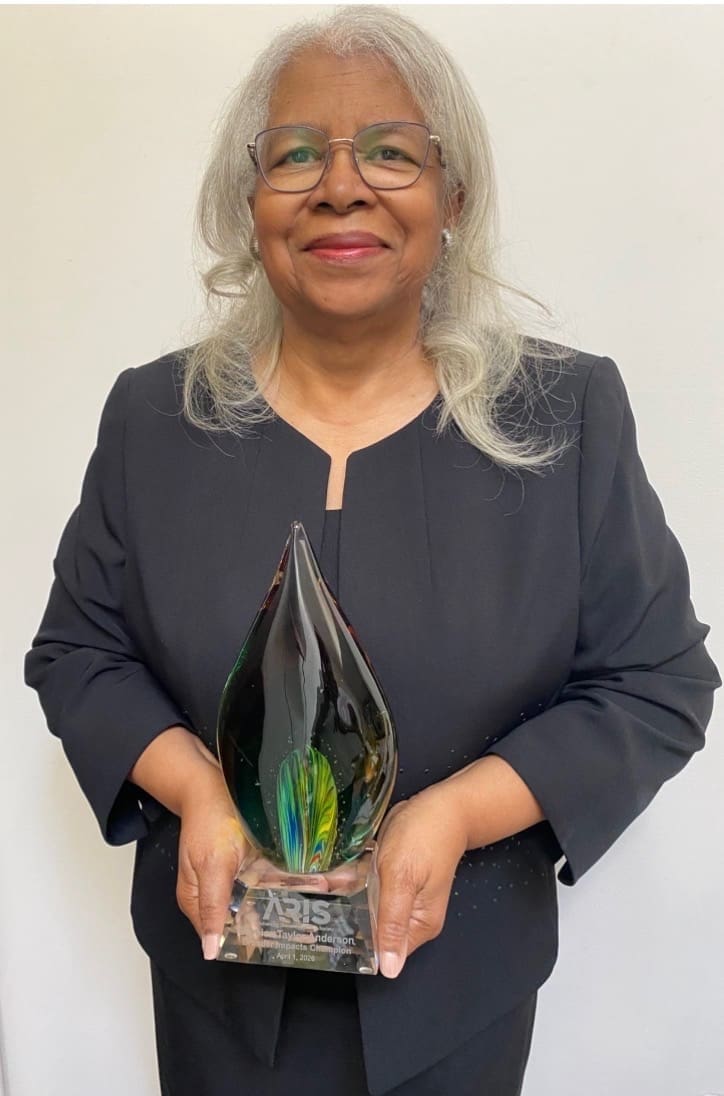
Bernice T. Anderson served as a program officer for the NSF Office of Integrative Activities where she actively supported the Broader Impacts criterion and organizations that proved their research benefited society. She made a vital contribution to the transition from the National Alliance for Broader Impacts (NABI) to ARIS. Thanks to her early support, ARIS and the BI community were able to advance research for societal benefits through numerous programs that not only expanded the awareness, but also created a new generation of leaders who would teach and share why Broader Impacts are vital.

Elizabeth (Lisa) Rom was selected for her visionary leadership advancing Broader Impacts in the geosciences where she transformed community engagement, funding priorities, and program design. Through initiatives, reviews, and mentorship, she expanded meaningful, measurable impact, strengthened collaborations between researchers and BI professionals, and inspired scientists and educators to integrate communication and public benefit into their research.
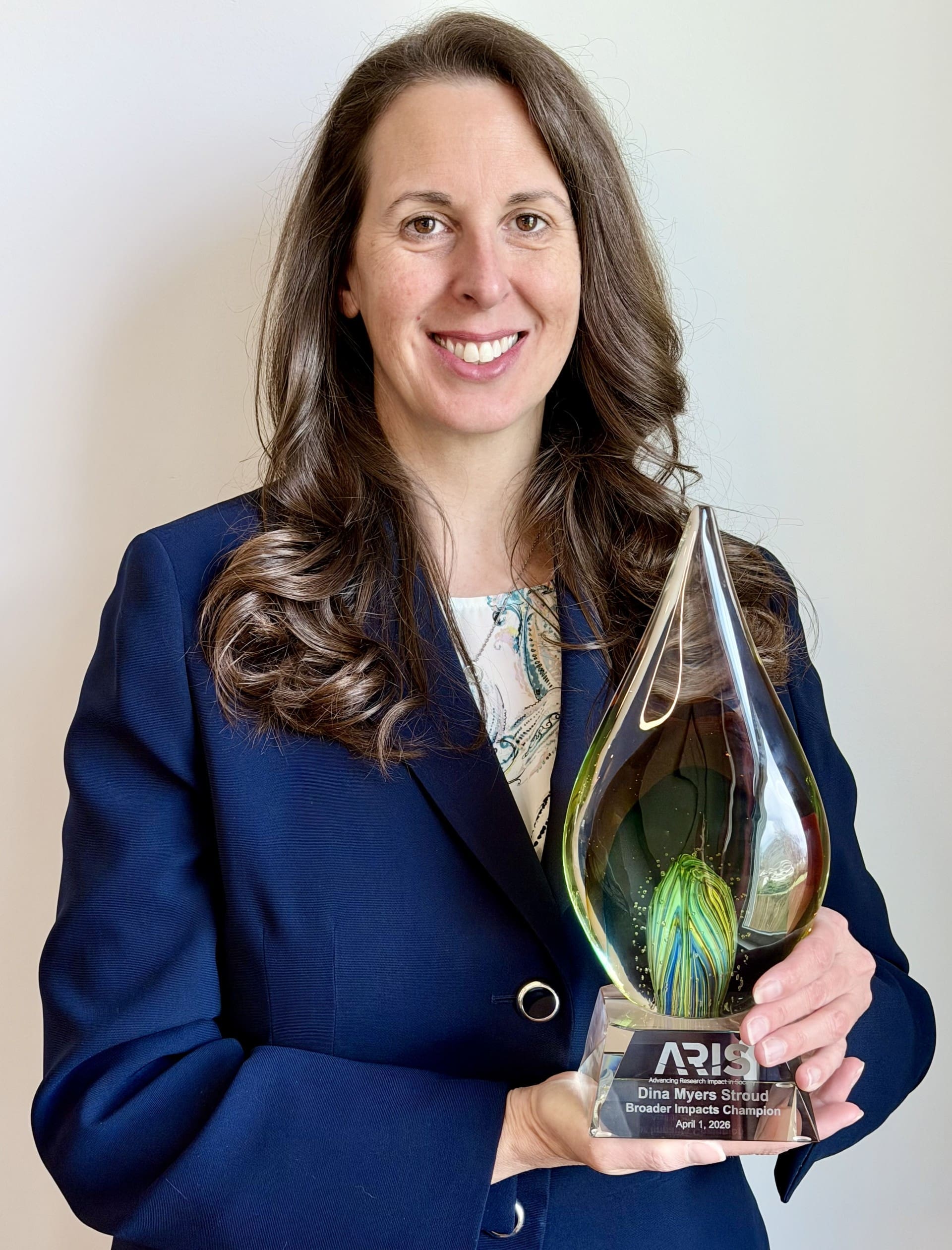
When Dina was the program officer for the NSF Growing Research Access for Nationally Transformative Economic Development program (GRANTED), she supported ARIS and helped expand the number of researchers, communities, and institutions who understood and valued Broader Impacts across the country. Thanks to Dina, ARIS has embarked on its next phase of certification, scholarship, and professional development across the BI-RI-SI spectrum.
The 2026 ARIS Award winners:
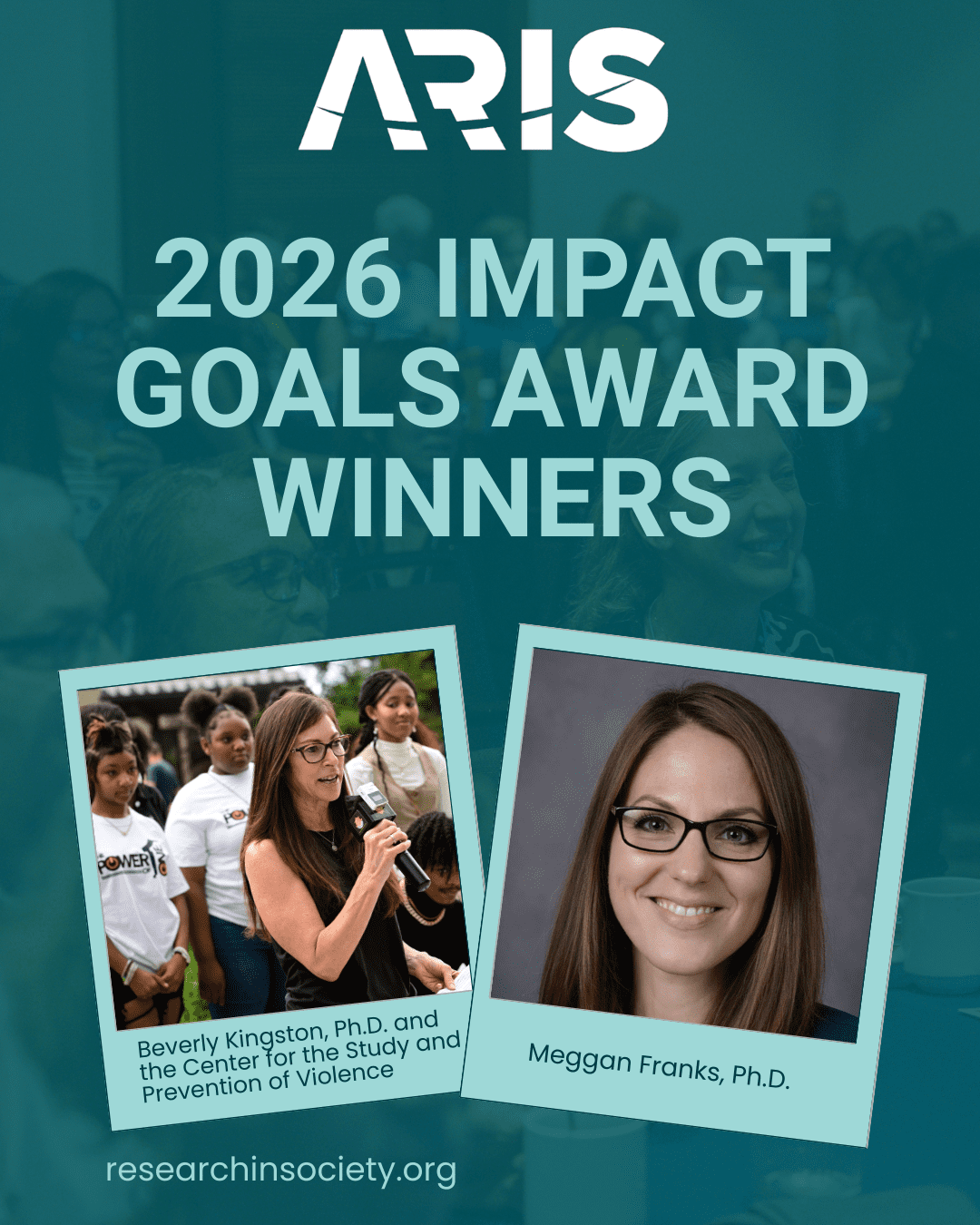
Impact Goals Award: Recognizing significant advancement in research engagement and translation for public benefit.
Beverly Kingston, Ph.D. and the Center for the Study and Prevention of Violence, University of Colorado Boulder
The Center applies research to reduce school and community violence. For over 30 years, it has partnered with youth, educators, and policymakers to design evidence-based prevention programs. By bridging research and practice, the Center advances effective prevention strategies that strengthen schools, communities, and public well-being.
Meggan Franks, Ph.D., Assistant Professor, Louisiana State University Agricultural Center, LaHouse Research & Education Center
Under Dr. Franks’ leadership, 136 youth from 37 schools applied STEM concepts to real-world strategies for safer homes and communities, created an art exhibit displayed at LSU’s Katrina anniversary event, and built home emergency kits.
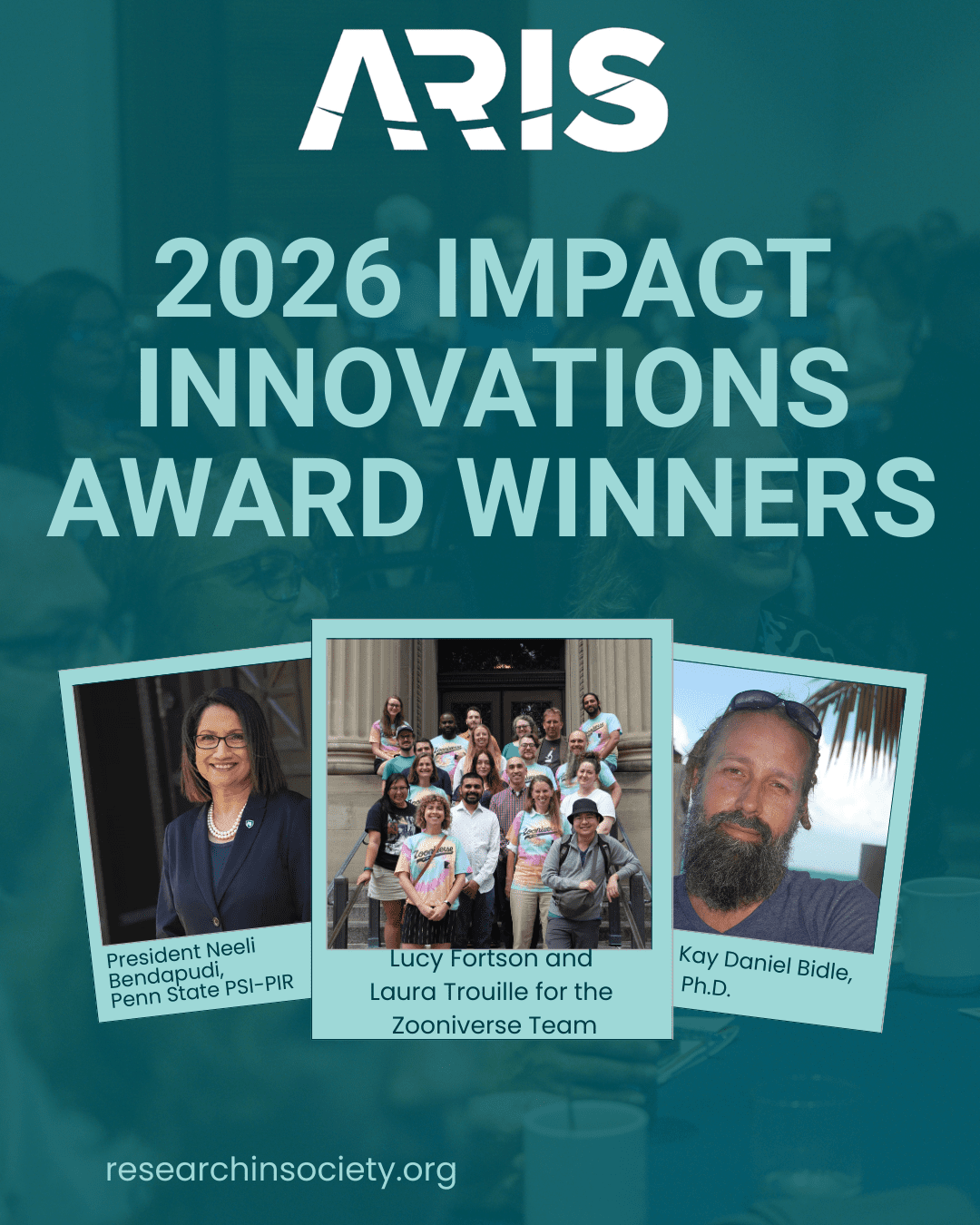
Impact Innovations Award: Honors leadership in developing and scaling new policies, processes, and strategies for societal impact, including innovative approaches to engagement, translation, and measurement.
Kay Daniel Bidle, Ph.D., Professor, Rutgers University
The Tools of Science educational video series developed and implemented by Dr. Bidle is used by students and teachers across the country. The series highlights a collaborative and innovative approach to translating research into societal benefits.
President Neeli Bendapudi, Presidential Strategic Initiative for Public Impact Research (PSI-PIR), The Pennsylvania State University
PSI-PIR centers societal impact in research by funding interdisciplinary, community-engaged teams to turn evidence into action. Project examples include assessing cybersecurity risks for 70,000 nonprofits, analyzing two billion job postings to develop Pennsyvlania’s first green taxonomy for retraining across 30,000 employers, and strengthening environmental stewardship through microplastics monitoring.
Lucy Fortson and Laura Trouille for the Zooniverse team, University of Minnesota and the Adler Planetarium
Zooniverse is the world’s largest online citizen science platform, with nearly three million participants and 500+ projects. Zooniverse projects have produced hundreds of publications, new frameworks, and datasets used by agencies worldwide.
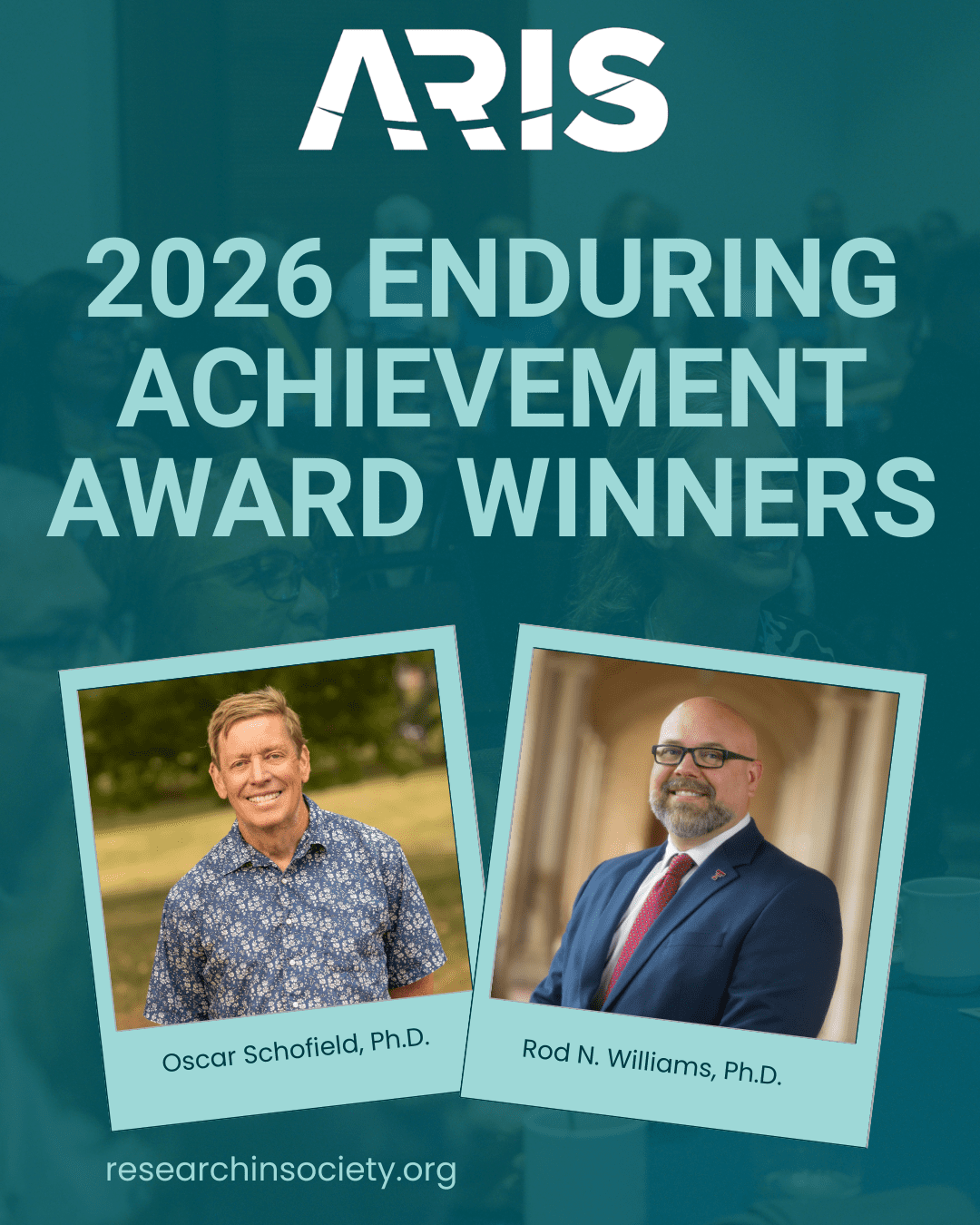
Enduring Achievement Award: Honors individuals or organizations with long-term bodies of work that have generated measurable, lasting societal impacts.
Oscar Schofield, Ph.D., Distinguished Professor, Rutgers University
Dr. Schofield has a distinguished career integrating research with impactful outreach. He led marine and coastal training for hundreds of educators; collaborated with the U.S. Coast Guard on rescue modeling; and produced two film documentaries on public science literacy.
Rod N. Williams, Ph.D., Vice Provost for Outreach and Engagement, Texas Tech University
Dr. Williams co-authored “The Guide: Documenting, Evaluating, and Rewarding Engaged Scholarship” that’s used by 100+ universities worldwide to facilitate faculty advancement. He also created the Engaged College Program to institutionalize engagement in strategic planning, tenure and promotion policies, and community partnership infrastructure.
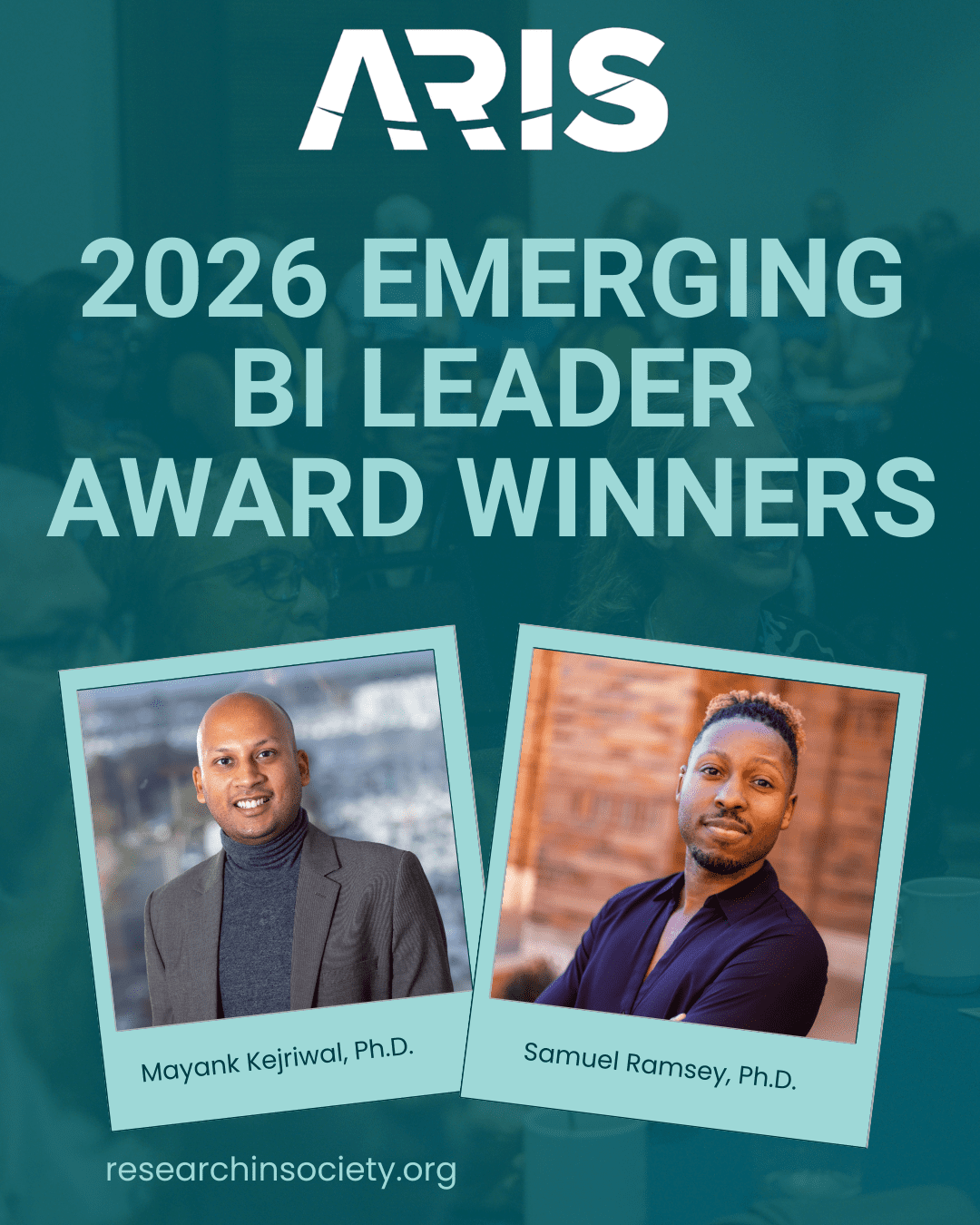
Emerging BI Leader: For early-career practitioners and scholars (pre-tenure or less than 10 years from graduation) demonstrating leadership and promise in advancing Broader Impacts.
Mayank Kejriwal, Ph.D., Research Associate Professor & Principal Scientist, University of Southern California
Domain-Specific Insight Graphs (DIG) is an AI knowledge-graph tool combating human trafficking that was developed by Dr. Kejriwal. Deployed to 200+ U.S. law enforcement agencies, it surfaces hidden exploitation patterns, strengthens investigations, and helps rescue victims.
Samuel Ramsey, Ph.D., Endowed Asst. Professor, BioFrontiers and Department of Ecology and Evolutionary Biology
Focusing on global impact through science communication, Dr. Ramsey shifts pollinator health efforts from reactive crisis management to proactive prevention. By tracing the source of bee parasites and pathogens and equipping beekeepers with evolutionary insights, this approach fosters sustainable protection, resilience, and long-term stewardship of pollinators worldwide.
Event Timeslots (1)
April 1, Day 3
-
BI Champions; ARIS Awards
We will start by recognizing the 2026 ARIS BI Champions and Awards winners. Each will each give brief remarks. In addition, we'll honor the recipients of the 2026 ARIS Awards who stood out for their excellence in conducting research with demonstrable societal impact.