
ORIC Spotlight: Mote Marine Laboratory & Aquarium
Posted On: 02-18-2025
Posted In: ORIC Spotlight,
Mote Marine Laboratory & Aquarium: A Unique Member of ORIC 2024
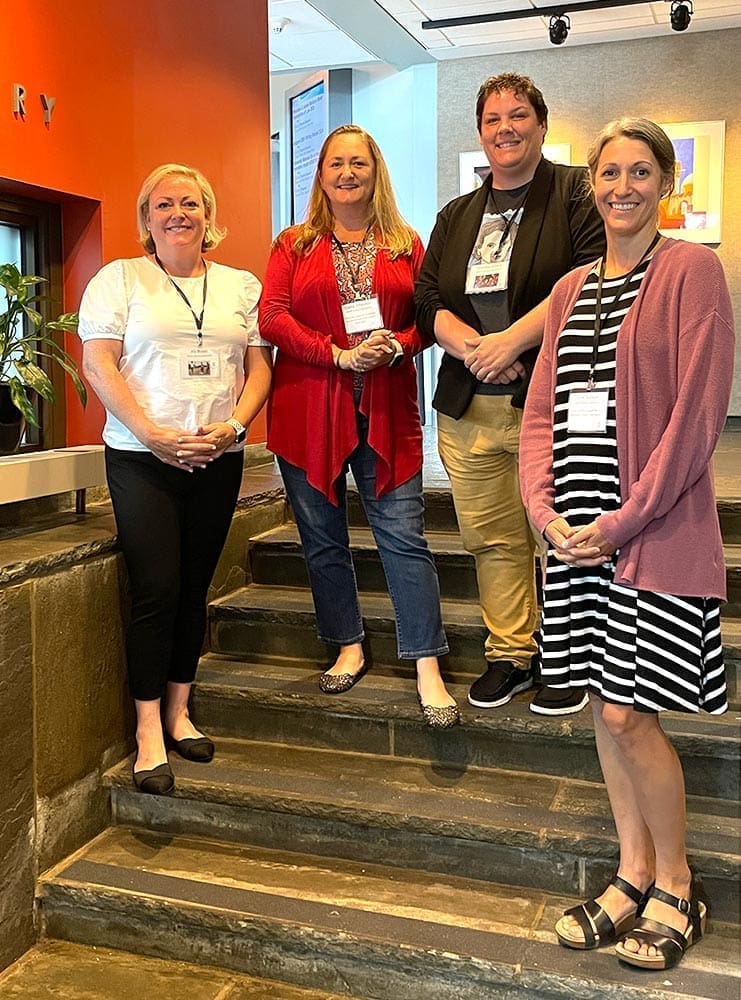
The Mote Marine Laboratory & Aquarium stands out as one of the most unique members of the ORIC 2024 cohort. Founded in 1955 by the pioneering marine biologist Dr. Eugenie “The Shark Lady” Clark, Mote began as a grassroots marine lab. Over the decades, it evolved into a full-fledged research facility and added an aquarium component in the mid-1980s. Initially operated by volunteer scientists passionate about engaging the local community, it has since grown into one of the most cherished aquariums in West Florida. “It was very grassroots,” said Dr. Aly Busse, Associate Vice President of Education. “People have been bringing their kids and their grandkids here; they grew up with it.” Today, with over 1,400 volunteers, the aquarium remains a labor of love for the community.
.
A Legacy of Community-Driven Research
Founded in 1955 by the pioneering marine biologist Dr. Eugenie “The Shark Lady” Clark, Mote began as a grassroots marine lab. Over the decades, it evolved into a full-fledged research facility and added an aquarium component in the mid-1980s. Initially operated by volunteer scientists passionate about engaging the local community, it has since grown into one of the most cherished aquariums in West Florida. “It was very grassroots,” said Dr. Aly Busse, Associate Vice President of Education. “People have been bringing their kids and their grandkids here; they grew up with it.” Today, with over 1,400 volunteers, the aquarium remains a labor of love for the community.
.
Mote’s Participation in ORIC 2024
Dr. Busse, along with Gina Hodsdon (Director of Volunteer & Intern Programs) and Elaina Wheaton (Director of Education), represents Mote in the ORIC 2024 program. Dr. Busse first learned about ORIC at the 2024 ARIS Summit. Despite Mote’s unconventional status within the cohort, she saw the program as an opportunity to strengthen researcher-outreach connections. At the ORIC 2024 Princeton workshop, the Mote team compared their approach to institutionalizing BI with that of university teams, gaining valuable insights.
Mote operates through three interconnected branches: education, research, and the aquarium—akin to departments within a university. Through ORIC, the team aims to enhance collaboration among these branches. Mote researchers frequently apply for grants from organizations like the U.S. National Science Foundation (NSF), turning to the education branch for expertise in public engagement and STEM education. While BI work extends beyond these areas, these collaborations offer researchers accessible pathways to fulfill their BI commitments, especially in a community-centric environment.
“I feel like there’s a lot of opportunity, even if it’s not through NSF grants, for us to create this framework or clearinghouse,” Wheaton described. “Come to us and let us help find how we can connect to you and find a place for your work to be meaningful locally.”
.
Community Impact Through Research and Education
Mote already fosters extensive volunteer, internship, and community science initiatives. “The work we do has a direct impact on the community,” Hodsdon explained. “For example, we have a huge red tide effort.” Red tide—caused by toxic algae blooms—affects the local ecosystem, tourism, and economy. Mote’s aquarium plays a crucial role in educating the public about these blooms and the research behind them. “I think the community really recognizes the importance of our work, and that’s a huge reason for their support.”